How AI May Shape the Future of Cancer Care Across Disciplines
Although AI’s capabilities in health care are often hyped and individuals are urged to use the technology, the way it is operationalized and deployed can be a sticking point for many, explained Ravi Bharat Parikh, MD, MPP, FACP, during a multidisciplinary panel session at the 2026 ASCO Quality Care Symposium. “I think the answer isn’t to shun the AI, it’s to get more involved at your local center, it’s to get more involved in the decision committees…. If we were in the conductor seat a little bit more, then I think we’d have a much more positive perception of what’s going on.”

The multidisciplinary debate focused on the role of AI in cancer care and its potential impact across various areas. Representing surgery, medical oncology, nursing, administration, and patient advocacy, most participants were optimistic about the potential of AI in cancer care, although their perspectives differed.
Audience members helped determine the order of topics addressed during the debate. As each topic was introduced, panelists indicated their positions by displaying either a thumbs-up or thumbs-down sign. Selected panelists were then invited to share their perspectives or offer rebuttals, allowing for multiple points of view.
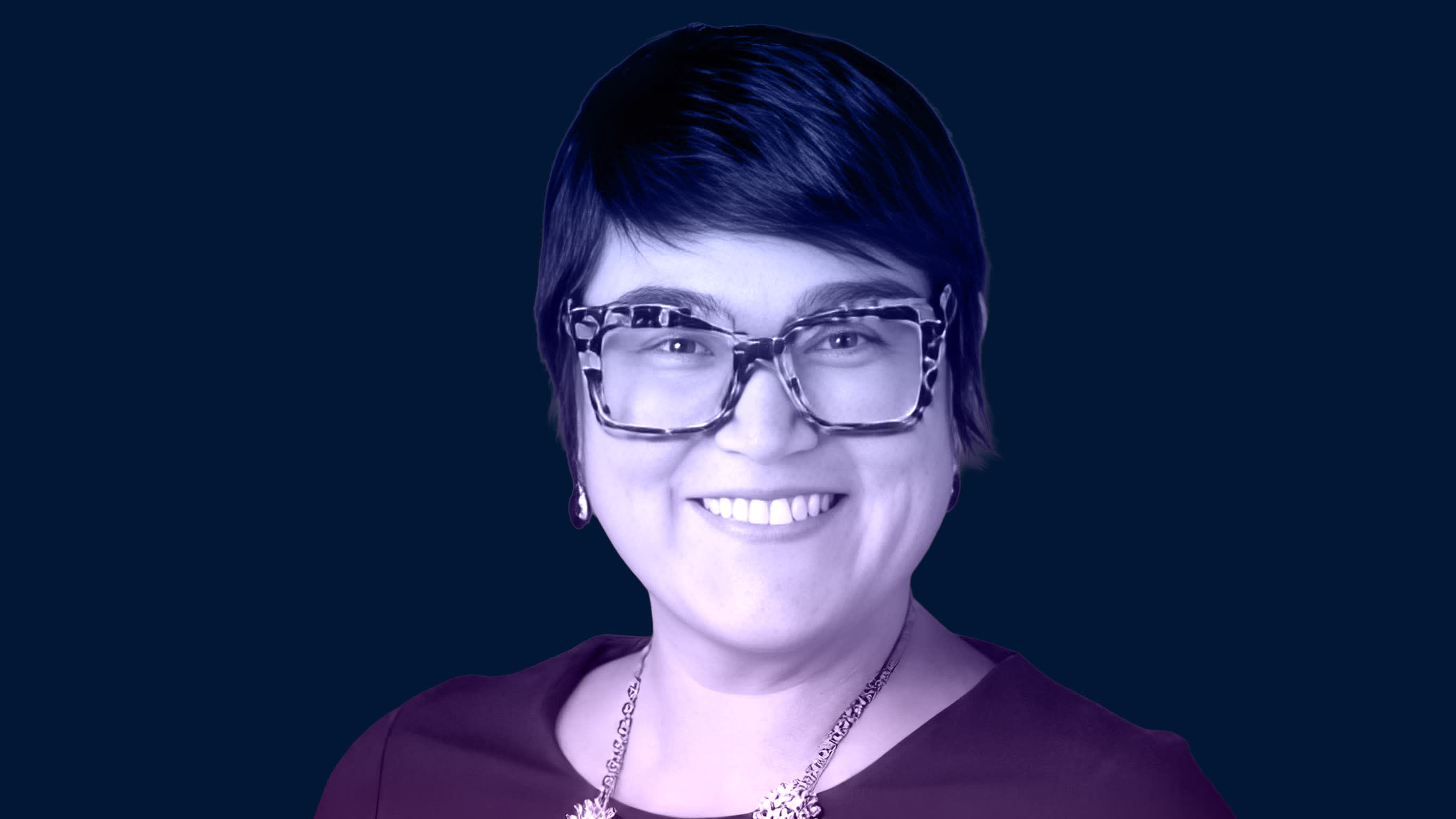
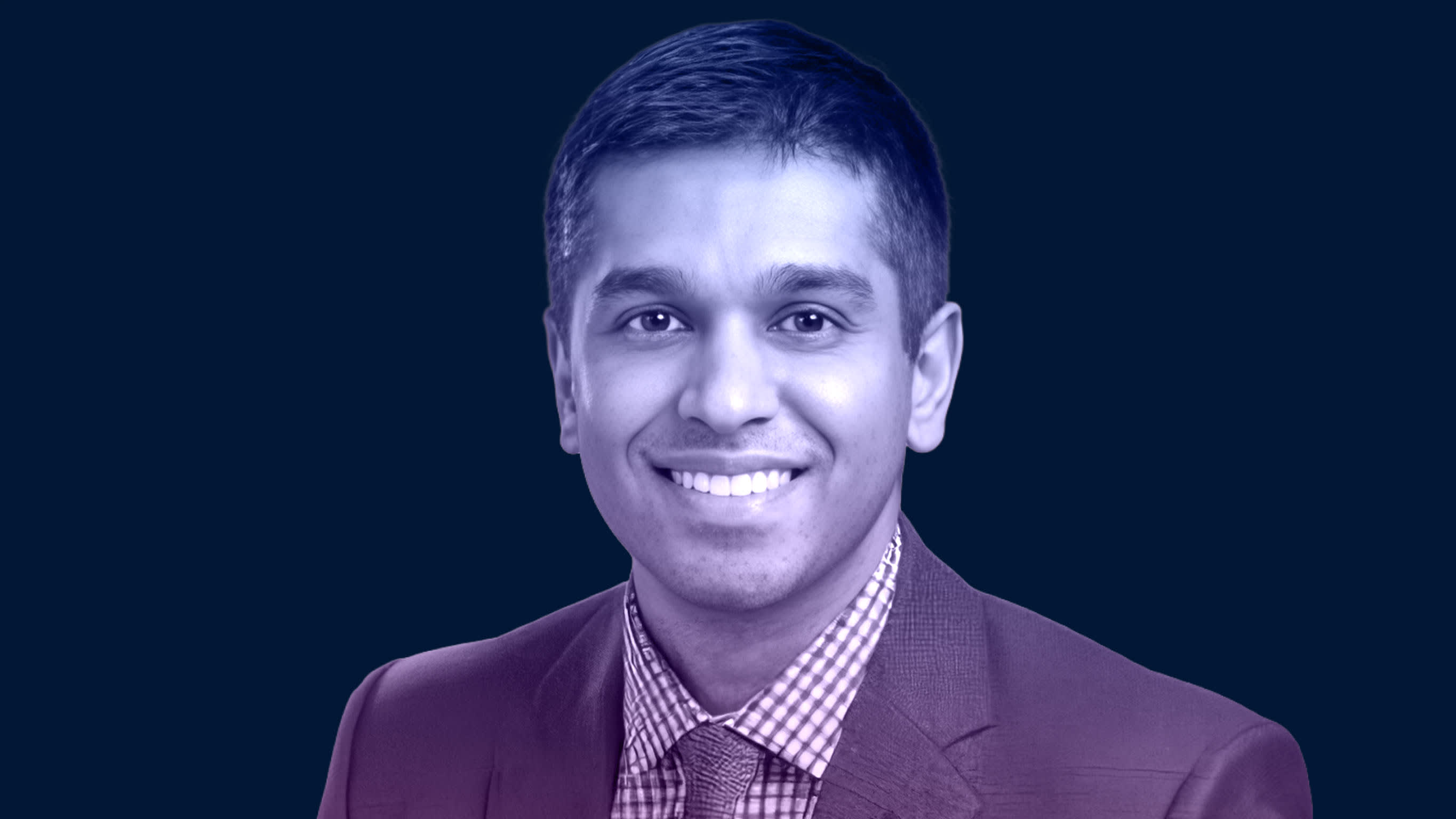
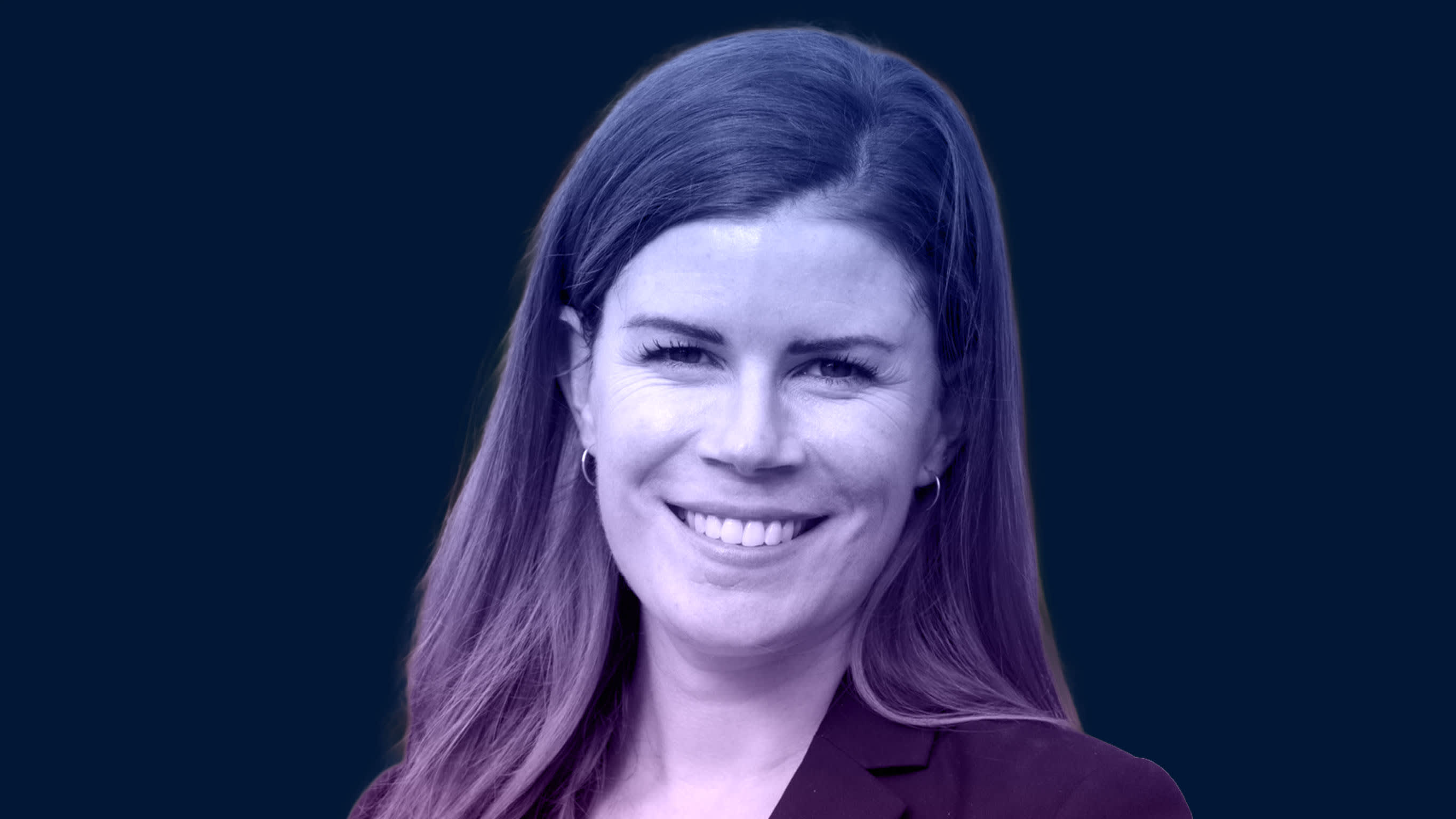
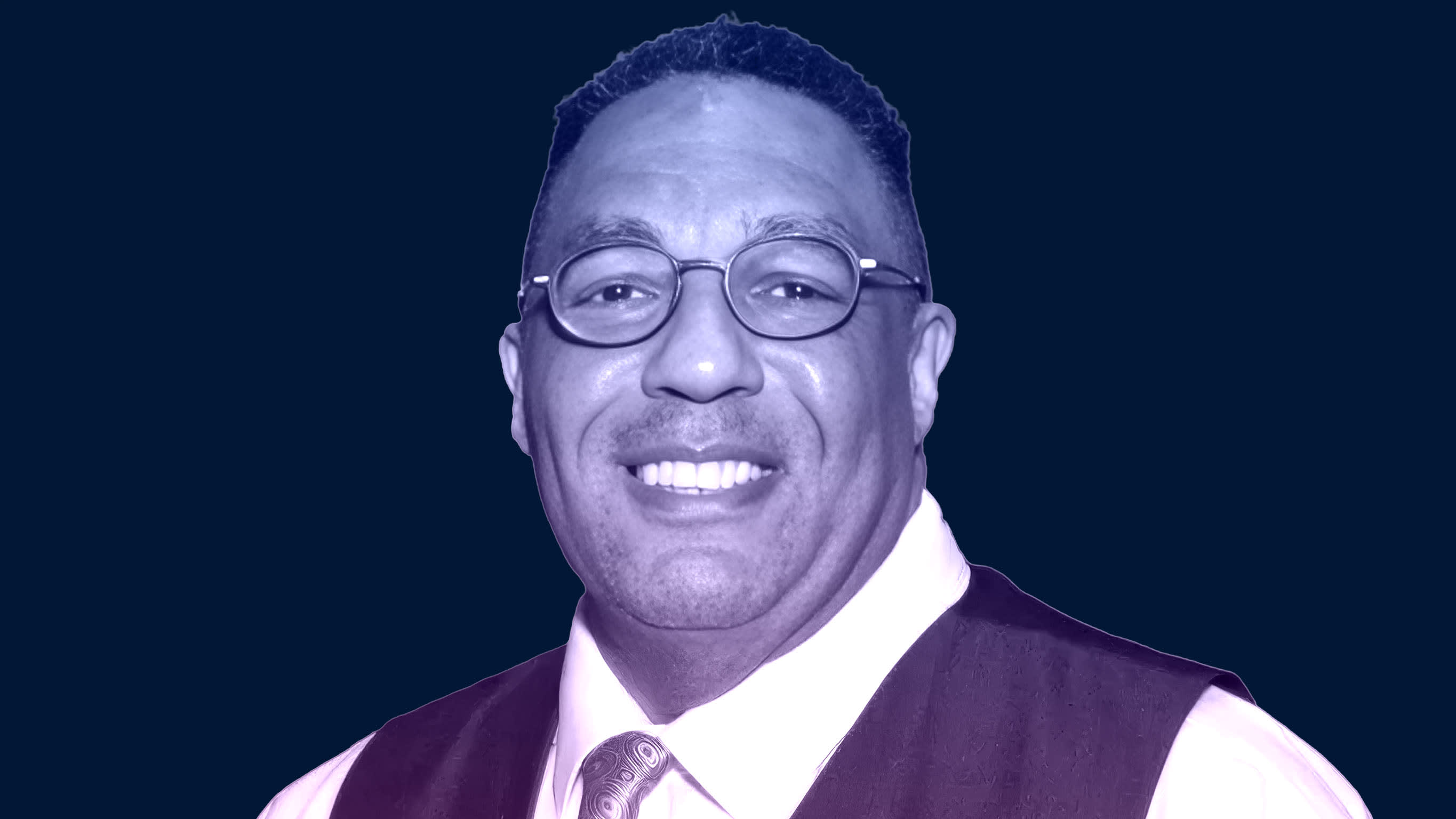
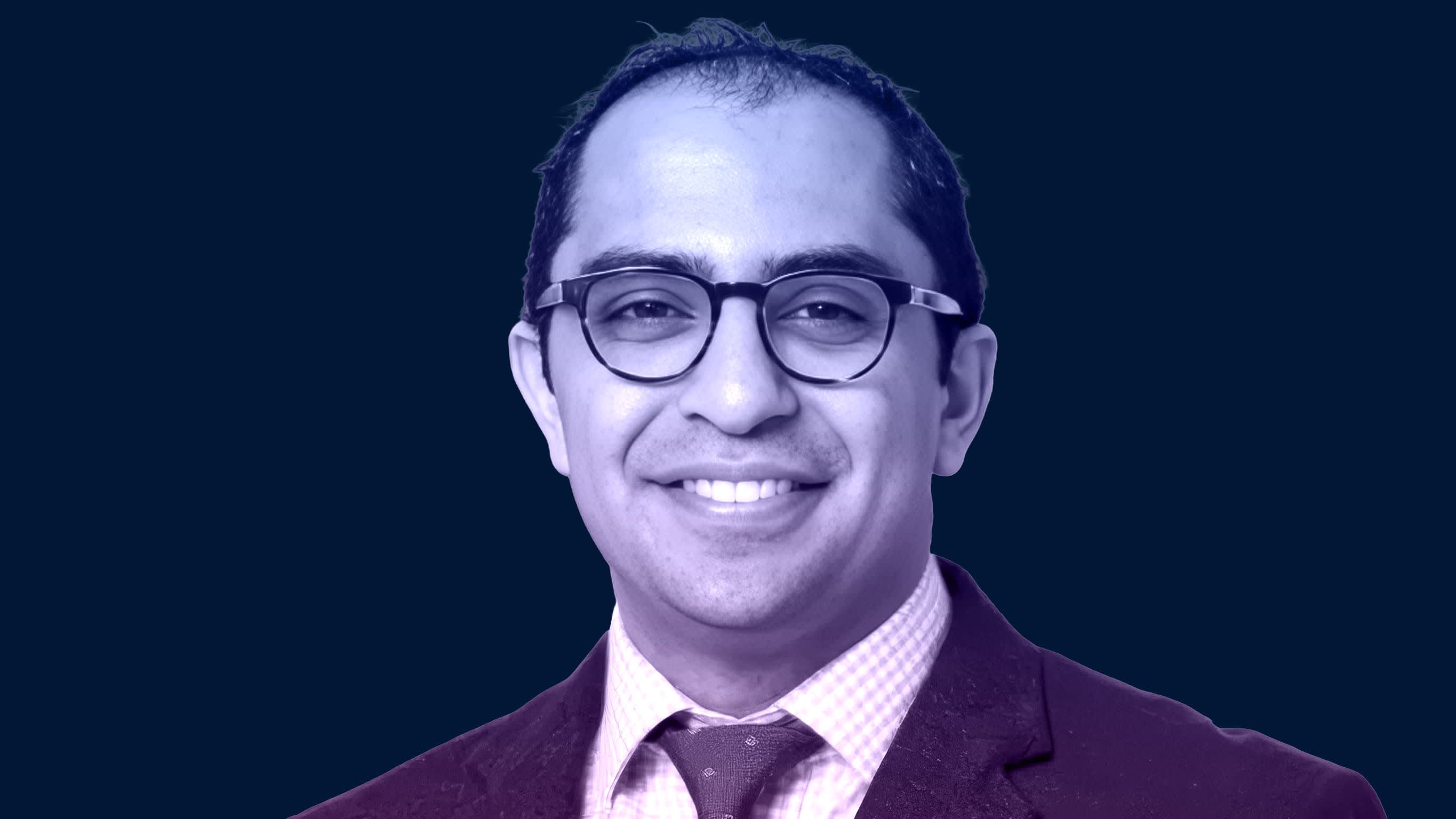
The panel was moderated by Fumiko Chino, MD, FASCO, Associate Professor in Breast Radiation Oncology, The University of Texas MD Anderson Cancer Center, and Anai N. Kothari, MD, MS, Associate Professor of Surgery (Surgical Oncology), Medical College of Wisconsin. Panelists included Dr. Parikh, Associate Professor in the Department of Hematology and Medical Oncology, Emory University, and Editor-in-Chief of ASCO AI in Oncology; Michael Anne Kyle, PhD, Assistant Professor in the Department of Medical Ethics and Health Policy, Perelman School of Medicine, University of Pennsylvania; Brian A. Jones, prostate cancer survivor, patient advocate, and national mentor with ZERO Prostate Cancer; and Andrew M. Ibrahim, MD, MSc, George D. Zuidema Professor of Surgery and Associate Chair, Department of Surgery, Medical School, University of Michigan. A fifth panelist, Roy Perlis, MD, MSc, was unable to participate.
“Patients and providers should be asked for consent for AI use in clinical care”
All but Dr. Ibrahim agreed with the statement. Dr. Kyle opened the discussion, noting that obtaining consent is especially important in health care, particularly when patients disclose information they may not want shared with third parties. She also highlighted that patients should be able to decide whether they are comfortable having sensitive conversations recorded. Regarding provider consent, she noted that providers often communicate differently when they know that their conversations are being recorded.
Taking a different point of view, Dr. Ibrahim distinguished between consent and disclosure. While he acknowledged the importance of informing patients and physicians when their data or recordings will be used, he suggested that AI use in health care may eventually become as pervasive as internet use, making it challenging to obtain consent each time AI is used.
He explained that while guardrails and transparency are necessary for AI use in health care, “people are going to vote with their feet and consent of using it as a technology to support care is probably not going to be practical for how widespread its use is going to be.”
Mr. Jones, on the other hand, maintained that discussions about AI use would be both practical and worthwhile, providing an opportunity to build trust between patients and providers.
“ASCO should advocate for strict government regulation of clinical AI tools”
All but Dr. Kyle agreed with the statement, although Dr. Chino noted that advocating for regulation could slow innovation.
“There’s no question that we need guardrails,” Dr. Ibrahim said, referring to the future of AI use in clinical settings, including autonomous AI. “There’s going to be some level of automation that’s coming, and we need to be super clear about what’s acceptable and what isn’t. And I think to get ahead of it, we should decide ‘here are things that we think should not be automated by AI,’ and ‘here are things that we’re OK and it actually would be very helpful to both patients and clinicians [for AI to automate].’ So I think for ASCO to be able to be at the table and say ‘here’s what that roadmap looks like,’ it actually would make innovation go faster.”
Dr. Kyle cited existing HIPAA regulations in expressing her concerns about regulating AI technology. “What we regulate today, will that be frozen in time until we manage to pull it together some decades from now?” she asked. “I worry that we will optimize for today in a fast-moving space.”
Dr. Ibrahim advocated for professional societies such as ASCO to establish guardrails before interested nonclinical parties do so. Dr. Parikh added that it was important for ASCO to be involved in the discussion. He suggested an approach similar to that used for hospital quality regulation: establishing standards and organizations (such as The Joint Commission), then allowing local organizations or third parties to handle the complexities of implementing the rules. “I think we can advocate for a system like that, as opposed to trying to create some sort of new FDA for AI,” Dr. Parikh said.
“AI is destroying the doctor/patient relationship”
Dr. Kyle and Mr. Jones agreed with the statement, whereas the other panelists disagreed.
Mr. Jones explained that when patients are experiencing a traumatic situation, such as receiving a cancer diagnosis, they want more communication and more time with their physicians to ask questions, “and I think having AI control that, as opposed to a human being, a doctor, takes away from the doctor/patient relationship.” He also emphasized the importance of trust between patients and their physicians, which could be undermined when technology interferes with personal interactions.
Dr. Parikh, on the other hand, noted that technology such as ambient scribe tools reduces distractions, allowing him to focus more on his patients. “I don't think AI is destroying the relationship at all. I think EHRs, computer screens, and keyboards probably destroyed it, and AI, if it's used right, could help take it back,” he commented, adding that AI’s potential benefits extend beyond ambient scribes to clinical decision support and other tools.
Dr. Kyle, who expressed greater skepticism about whether AI could be used “the right way,” said her primary concern was how the volume of information affects administrative burden. She noted that many physicians now spend substantial portions of patient visits reviewing chatbot-generated information to determine what is relevant, leaving less time for other important conversations.
“What a beautiful paradox it would be if bringing more technology into the clinic brought humanity into the doctor/patient relationship,” Dr. Ibrahim said, quoting Shiv Rao, MD, founder and CEO of Abridge, a company that develops ambient scribe technology. He noted that increased use of technology by both himself and his patients has facilitated more in-depth, nuanced conversations. He concluded by noting that he now always assumes he is being recorded.
“AI makes my job easier”
All but Dr. Kyle agreed with the statement.
Dr. Parikh said that AI makes both his research and clinical work easier. He explained that opportunities to exchange research ideas have diminished, partly because of increased remote work, but he has used AI as a sounding board for ideas. He also acknowledged that he keeps an AI clinical decision support tool open on his computer during clinic each day.
On the other hand, Dr. Kyle said that she has encountered numerous challenges with AI and reiterated her concern about the increasing volume of AI-generated information. She stated that, in her experience, AI is less useful than consulting a colleague when seeking information within her area of expertise.
Dr. Ibrahim highlighted several beneficial applications of AI, including chart summarization, identifying gaps in guideline-concordant care, and querying patient charts. He also described using chatbots to simulate conversations and identify blind spots in his communication.
Toward the end of the session, he added, “we're just now seeing the stark contrast of what AI could make our life like to free up our bandwidth, space, and capacity to just do the stuff that we love to do, which is being with patients.”
“AI training should be standardized and mandatory for all staff, faculty, and students”
Dr. Ibrahim and Mr. Jones agreed with the statement, whereas the other panelists disagreed. Dr. Kothari asked audience members whether they had already been required to complete a mandatory AI training module, and at least half raised their hands.
Dr. Ibrahim suggested that AI use will eventually become as routine as using EHRs, the internet, and pagers. “It's just going to be a technology that everybody needs to become accustomed to. I think it would be bad for us to just put our heads in the sand and let people figure it out. There should be some very clear guidelines on appropriate use, responsibility, guardrails, and some mechanism to feed that back in the organization,” he said. He added that training modules should demonstrate appropriate ways to use AI in clinical practice.
Dr. Parikh’s objection to the statement centered on the importance of prioritizing essential clinical concepts in medical education. “I just worry that if we put forward this concept that AI ought to be mandatory and that everyone ought to know the concepts behind what goes in, how a large language model is trained…we're going to lose the thing that differentiates all of us…or we're going to have less time to learn the things that [allow us to] positively contribute to these models, which is our clinical experience,” he commented. He stressed the importance of involving clinicians early in the development of AI tools.
From the patient perspective, Mr. Jones agreed with the statement. He noted that as patients increasingly use AI to answer their questions, they want their physicians to be equipped to understand and address those questions. “Once again, it ties into that very fine line of trust between patients and practitioners. If we're equipped, and the doctors are equipped, and we have it and use it, then we're operating almost on the same level,” he noted. “That raises the stakes for how they communicate and how they work together for better decisions, better outcomes, and better information.”
“AI-driven clinical care will exacerbate health-care disparities”
Dr. Kyle and Mr. Jones agreed with the statement, whereas Drs. Parikh and Ibrahim disagreed.
Mr. Jones noted that data generated by AI products can be biased. He said patients want health-care practitioners to have access to unbiased data to better serve all patients. He explained that AI can exacerbate existing disparities and biases, including those that have not previously been addressed, but he also believes there is an opportunity to address these inequities. “When we’re committed to [addressing those disparities], things get better for patients and people around the world.”
Dr. Ibrahim acknowledged the digital divide in AI adoption but explained why he remains optimistic: “The most requested health queries in AI tools are disproportionately represented by two groups, rural communities and people who are uninsured. So if you think about their counterfactual, who has more to gain from access to these tools? People who don't really have access to care…. So, I have some optimism that it actually can help narrow some of these inequalities.”
Dr. Kothari then asked him about bias in AI tools and the data used to train models. Dr. Ibrahim responded, “[T]he AI today is the worst AI we will ever use, and it’s iteratively improving. Thankfully, people have raised that red flag and put it on the radar as models iterate. I want to…believe that we’ll have less biased models as we move forward.”
Dr. Kyle disagreed, noting that the health-care system has not yet done enough to address disparities. “We have not proven, I think, that we are there yet,” she said.
DISCLOSURES: Dr. Chino reported a consulting or advisory role with Institute for Value-Based Medicine. Dr. Kothari reported an uncompensated relationship with Wisconsin Health Informational Organization. Dr. Ibrahim reported employment by Viz.ai. Dr. Parikh reported stock ownership in AstraZeneca, Bristol-Myers Squibb, GNS Healthcare, Main Street Health, Mendel AI, Merck, Onc.AI, Optinosis, Thyme Care; honoraria from Wake Forest School of Medicine; a consulting or advisory role with Archetype Therapeutics, Biofourmis, ConcertAI, G1 Therapeutics, Humana, Klick Health, Main Street Health, Mendel AI, Onc.AI, Optinosis, Thyme Care; institutional research funding from Arnold Ventures, Commonwealth Fund, Emerson Collective, Medel AI, Prostate Cancer Foundation, Schmidt Futures; and patents and royalties from technology to integrate patient-reported outcomes into electronic health record algorithms. Dr. Kyle reported employment by Massachusetts General Hospital. Mr. Jones reported a consulting or advisory role for AstraZeneca; travel expenses from Advanced Prostate Cancer Consensus Conference, ZERO Prostate Cancer; and uncompensated relationships with American Cancer Society, Pennsylvania Prostate Cancer Coalition, ZERO Prostate Cancer.
ASCO AI in Oncology is published by Conexiant under a license arrangement with the American Society of Clinical Oncology, Inc. (ASCO®). The ideas and opinions expressed in ASCO AI in Oncology do not necessarily reflect those of Conexiant or ASCO. For more information, see Policies.