Earning Trust as a Doctor in the AI Era
Following the Hutchinson Institute for Cancer Outcomes Research’s Value in Cancer Care at Fred Hutchinson Cancer Center, there’s one talk that I’m still thinking a lot about: Anthony Back, MD’s presentation on trust in oncology in the AI era.
“Trust is now relational capital—not professional capital,” Dr. Back said. “Our task is no longer to transmit knowledge but to co-curate meaning in a noisy information environment.”
In the modern era, being a doctor doesn’t automatically earn trust (and often the opposite, which induces some healthy skepticism). Instead, trust has to come from our relationships, not titles.
In the world where I can type a diagnosis into a large language model and get targeted marketing across several social media platforms, an oncologist’s job isn’t just to transmit information. It’s helping people curate what information they’re processing from the rest of the world about their cancer.
Our voices will never be louder or more abundant than all that information. Our goal is to build relationships that allow people to trust us in doing the best for us.
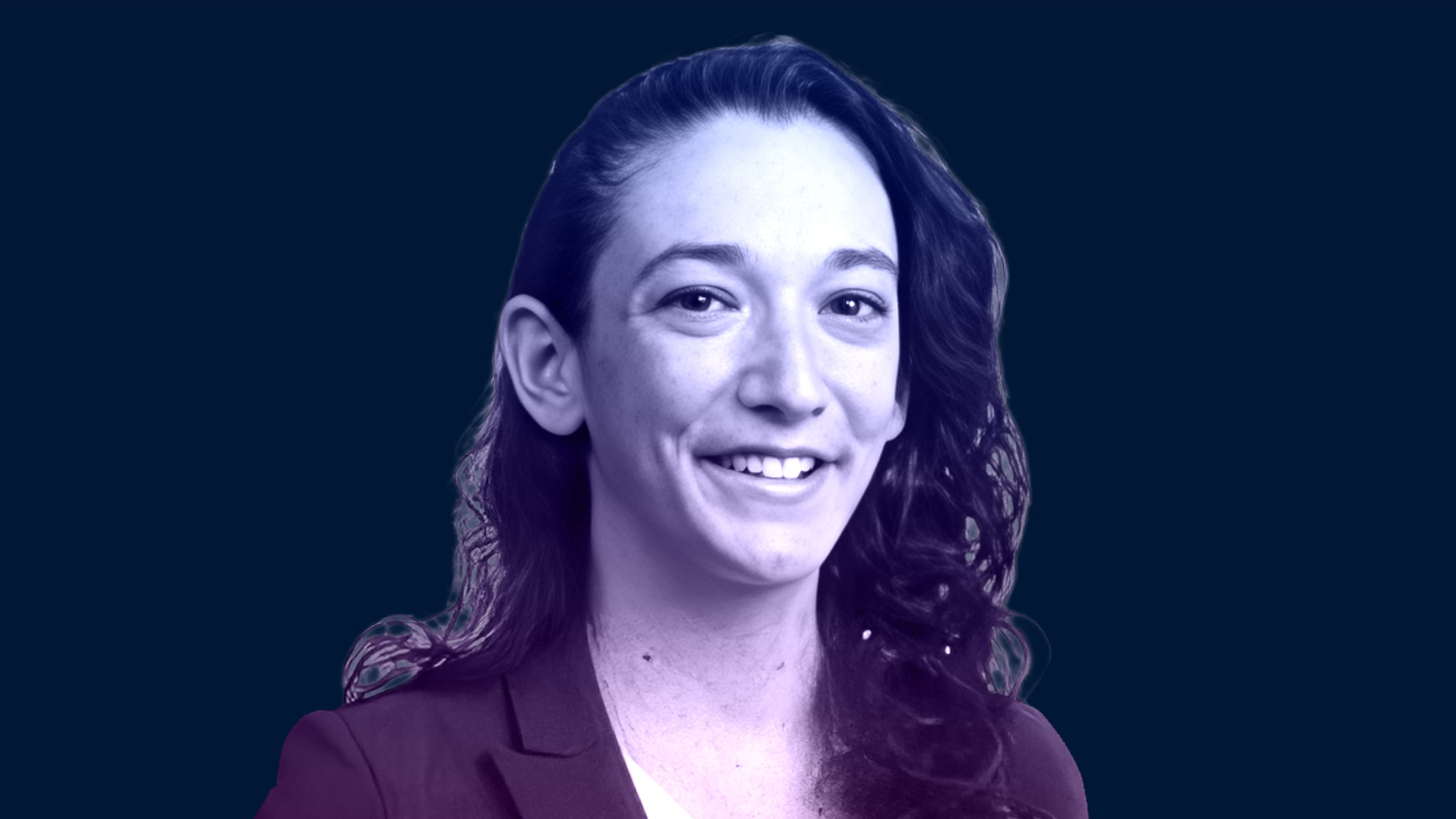
Hannah Abrams, MD, PGY-7, is a hematology/oncology fellow at Fred Hutchinson Cancer Center.
Disclaimer: This commentary represents the views of the author and may not necessarily reflect the views of ASCO, Conexiant, or ASCO AI in Oncology.
Do you share similar feelings about AI use in oncology? Share your own thoughts and experiences on AI use with the oncology community.
ASCO AI in Oncology is published by Conexiant under a license arrangement with the American Society of Clinical Oncology, Inc. (ASCO®). The ideas and opinions expressed in ASCO AI in Oncology do not necessarily reflect those of Conexiant or ASCO. For more information, see Policies.